
- 26 de julho de 2025
- Publicado por: Fabiola Mendes Gerência
- Categoria: Sem categoria
I started using Solana wallets because I wanted speed and cheap fees. Whoa! My first jump was into Phantom, and it felt surprisingly polished. At first glance the UI is clean, intuitive, and quick, but beneath that polish there are tradeoffs around security models, extension behavior, and how apps interact with your keys. Here’s what I noticed after a few weeks of real use.
Extensions feel different from mobile wallets in surprising ways. Really? They sit inside your browser and act like tiny helpers that hold keys. That closeness to your browsing activity is powerful for DeFi dapps that want instant signing, but it also means you need to think harder about phishing, rogue sites, and permission models that apps request when they connect. I liked the convenience a lot during daily trading.
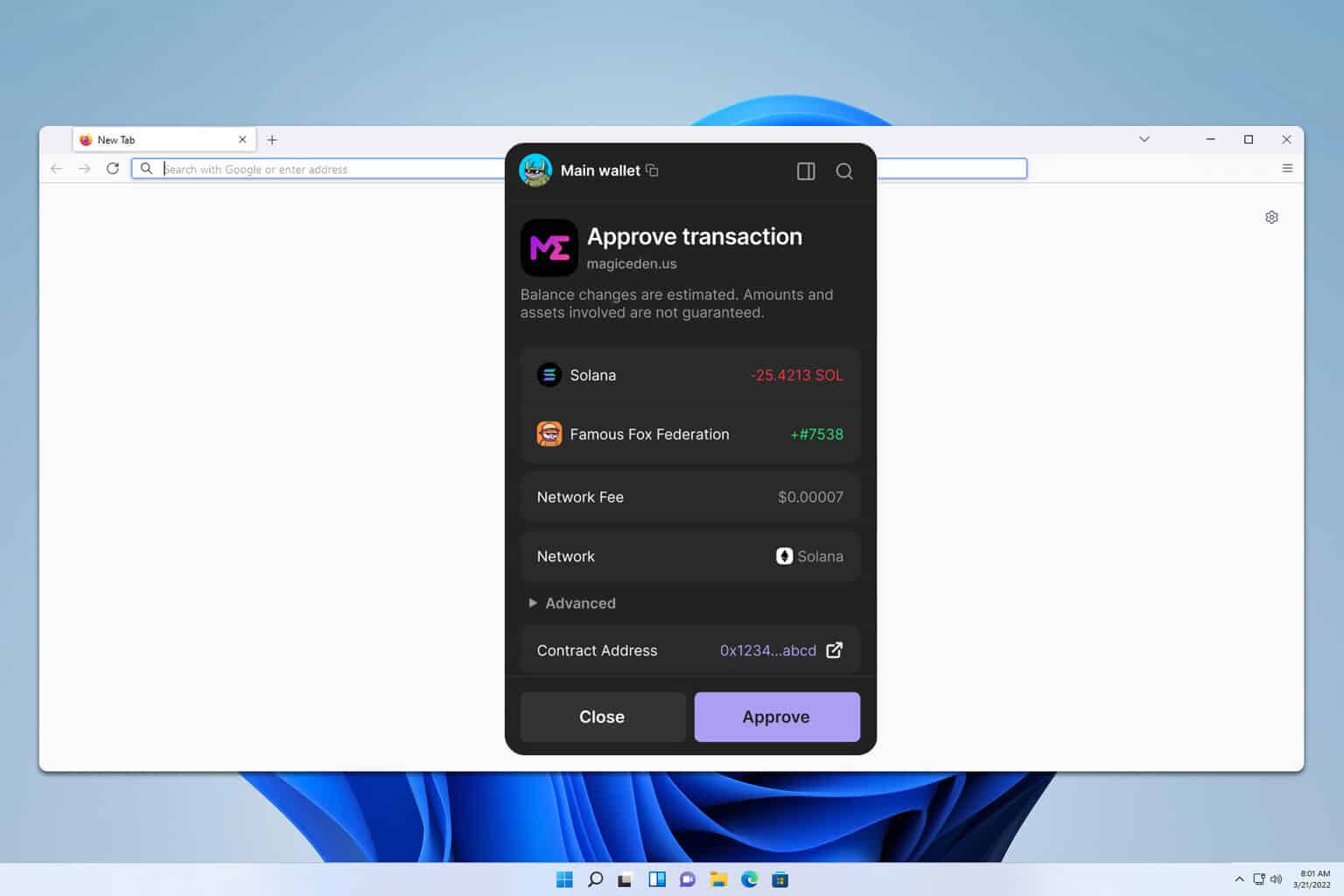
But my instinct said—hold on—are these permissions too broad? Hmm… Initially I thought that clicking “Connect” was harmless and low risk. Actually, wait—let me rephrase that: clicking “Connect” is rarely catastrophic by itself, but combined with sloppy UI, ambiguous prompts, and overreaching dapps you can end up authorizing token transfers or transaction approvals you didn’t really understand. This matters because Solana’s speed makes transactions final in seconds.
On one hand, the experience is seamless on desktop. Seriously? On the other hand, mobile wallets feel more contained and sandboxed. Though actually, there’s nuance: some mobile wallets use deep links that hand off to apps, which can also be risky if you accept prompts without checking destination addresses or memo fields, so nothing is a silver bullet. I tend to prefer wallets that make approvals explicit and verbose.
One of the big differences is how extensions expose accounts across tabs. Wow! A single extension can feed keys to many dapps simultaneously. In practice that means you might authorize a staking app in one tab and then while flipping to an NFT marketplace you can unknowingly allow another site to prompt transactions, which creates a cognitive load that not every user is prepared for. Good design reduces that friction, but it’s not consistent across wallets.
Where to get Phantom and a quick tip
If you want to try Phantom for yourself, use the official installer and double check sources before you click; here’s a reliable spot to start with the sites.google.com/cryptowalletextensionus.com/phantomwalletdownloadextension/">phantom wallet download extension and always verify fingerprints when possible. Here’s the thing. Phantom ships a polished extension that looks and feels right for desktop DeFi workflows. It still requires you to be thoughtful about recovery phrases, permissions, and browser hygiene, because nothing in crypto magically removes human error. Treat the extension like the front door to your funds, and act accordingly.
Security models vary a lot between wallet teams. Here’s the thing. Phantom uses an extension with a built in key store and secure enclave where possible. Meanwhile some other wallets lean on external hardware or mobile app pairing that shifts risk rather than eliminating it, so you need to pick a threat model and accept the tradeoffs you get when you trade convenience for additional protection. I tested the recovery and seed backup flows several times.
Recovery is the single point most people ignore until they lose funds. Whoa! A clear seed backup UX saves headaches later. If you store seeds improperly or reuse passphrases, attackers who gain browser access or social engineers that trick you can escalate very very quickly, and on Solana those mistakes can be irreversible given how fast blocks finalize. So I recommend cold storage or hardware wallets for serious holdings.
Still, for day to day DeFi use an extension like Phantom is hard to beat. Really? Speed, UX, and integrations matter for trading and minting. The extension model allows instant signing popups that make swaps and NFT mints feel snappy, and that low friction increases engagement with dapps which is great if you know what you’re doing but can be dangerous for novices. Check your approved accounts and clear unused site permissions regularly.
Privacy becomes a real consideration once you use multiple dapps frequently, it’s somethin’ to watch. Hmm… Browser extensions often share metadata across requests and tabs. That can enable trackers or correlation between activities; anyone building strategies around privacy must consider network-level protections, browser isolation, and maybe separate profiles or containers for different activities to reduce linkability. I keep a separate browser profile for high-value transactions.
Tiny UX nudges steer users toward risky defaults more often than you’d expect. Whoa! Good wallets show why permissions are needed, not just request them. When a wallet explains permission contexts, shows transaction details clearly, and offers undo or time-limited approvals it empowers users, whereas terse prompts that simply ask “Approve” train bad habits and increase the chance of mistakes. Education matters too, though many people ignore fine print and hurry.
FAQ
Is Phantom safe for everyday use?
To wrap up, I’m not saying extensions are bad. I’ll be honest. They solve real problems for lots of active Solana users. But if you keep funds on an extension without understanding recovery, permissions, and site behaviors you expose yourself to avoidable losses, and that’s on the user and the wallet provider to address through clarity and safer defaults. So yes, use Phantom for convenience, but secure your keys for anything you can’t afford to lose.
What’s one practical tip to reduce risk?
Use separate browser profiles or containers for trading versus browsing, keep a small hot wallet for daily ops, and move the rest to cold storage; simple habits like these cut exposure dramatically. Somethin’ as small as clearing old dapp approvals once a month reduces your attack surface in ways most people overlook. I’m biased, but these steps have saved me from mistakes more than once.